
Blog
Top 7 Shipment Tracking Software Platforms for E-commerce in 2026

Most e-commerce teams don’t start shopping for shipment tracking software because they’re excited about tracking. Usually, something starts annoying them.
Customer support is spending too much time looking up shipments. Somebody has five carrier tabs open all day. A delayed package turns into three separate emails because nobody notices the issue until the customer points it out. The business keeps shipping more orders, but getting a clear answer about what is happening in transit somehow feels harder than it did six months ago.
Carrier websites are useful, but they were never built to give retailers a complete picture of their delivery operation. They show what is happening to an individual package. They do not necessarily show what is happening across hundreds or thousands of packages moving at the same time. That gap is where shipment tracking platforms have found their place.
Some retailers use them to consolidate carrier data. Others want better visibility into delivery performance. Some are primarily interested in reducing the amount of manual work involved in tracking shipments. The right platform often depends less on company size and more on the problem the business is trying to solve.
1. Parcel Perform
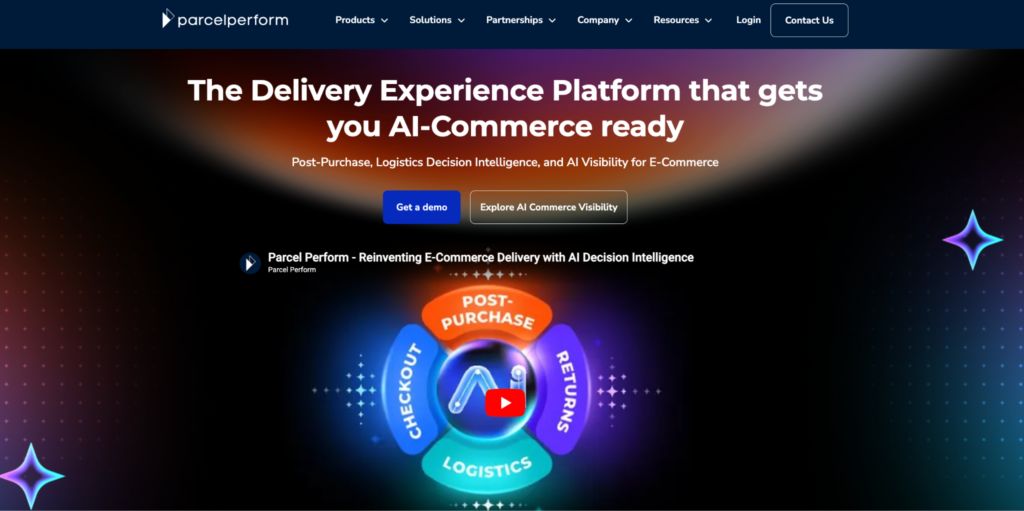
Not every delivery problem begins with a delayed package. Sometimes the issue is a carrier that gradually starts underperforming in a particular region. Sometimes transit times become less predictable over several weeks. Sometimes, a shipping route begins generating more exceptions than usual without anybody noticing immediately.
These are the kinds of patterns that are difficult to spot when teams look at shipments one by one.
Parcel Perform helps retailers step back and look at the bigger picture. Alongside shipment visibility, the platform provides reporting and analytics that make it easier to understand how delivery performance changes across carriers, regions, and shipping networks.
Capabilities commonly associated with Parcel Perform include:
- Global shipment tracking
- Multi-carrier visibility
- Carrier performance reporting
- Delivery analytics
- Operational dashboards
- Logistics insights
Retailers that ship at scale often care just as much about identifying trends as they do about tracking individual orders.
2. WISMOlabs
A common frustration inside growing e-commerce businesses is that shipment information exists everywhere and nowhere at the same time.
The carrier has data. Customer support is part of the story. Operations has another piece. When a shipment starts behaving unexpectedly, teams often spend more time collecting information than acting on it. The problem isn’t a lack of visibility. It’s the effort required to create visibility.
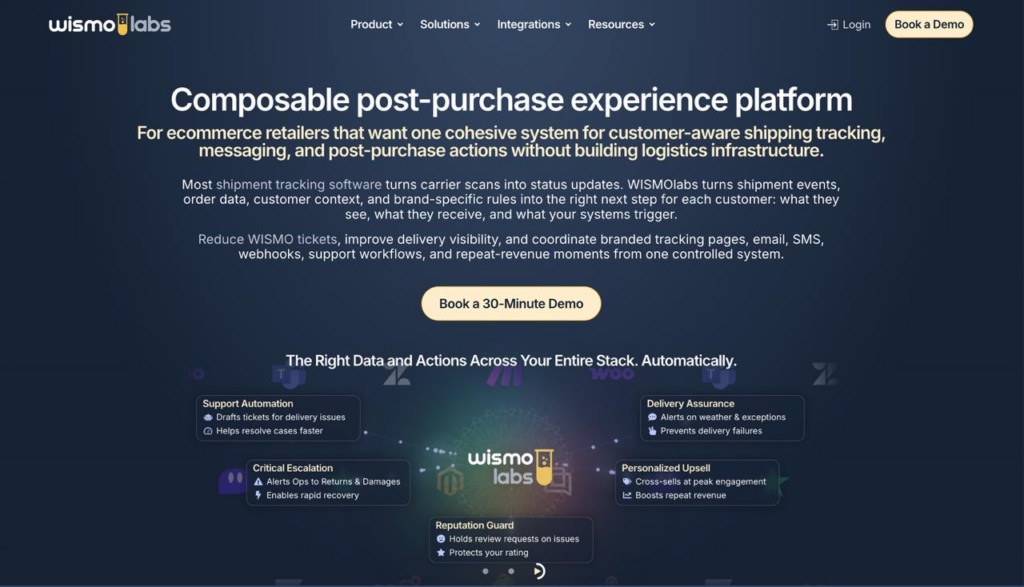
WISMOlabs is designed to bring those pieces together. Rather than serving solely as a shipment tracking tool or traditional post-purchase platform, it acts as a contextual customer communication layer focused on the period between checkout, shipment, delivery, and follow-up actions.
Instead of bouncing between carrier systems and internal tools, retailers can monitor shipment activity from a centralized environment and spot issues that might otherwise stay hidden until customers start asking questions. The platform combines multi-carrier tracking data with order information, customer history, shipment behavior, customer context, and optional third-party data to create a more informed post-purchase experience.
Through real-time carrier synchronization, exception handling, branded tracking, and proactive notifications, WISMOlabs helps retailers keep customers informed, reduce WISMO tickets, and gain greater control over the delivery journey.
That broader view becomes increasingly useful once order volume starts climbing and manual tracking is no longer realistic.
Features include:
- Multi-carrier shipment tracking
- Branded tracking pages
- Intelligent shipment notifications
- Delivery exception communication
- Self-service order lookup
- Customer engagement reporting
- Carrier analytics
- Support for 750+ carriers
- Real-time carrier synchronization
- Context-aware communication powered by order data, customer history, shipment behavior, and carrier events
For teams that spend a significant amount of time chasing shipment updates, having everything in one place can remove a surprising amount of day-to-day friction.
By turning logistics events into timely customer communications, WISMOlabs helps retailers proactively address questions before they become support tickets while providing greater visibility into the delivery process.
3. AfterShip
Many e-commerce businesses arrive at shipment tracking software through a fairly practical route.
Nobody is looking for a major operational transformation. Nobody is redesigning the delivery process from scratch. Teams simply want an easier way to keep track of shipments without constantly switching between different carrier websites. That is one of the reasons AfterShip has remained popular for so long.
The platform gives retailers a centralized place to monitor deliveries across multiple carriers while keeping implementation relatively straightforward. For many businesses, that balance is more important than having every advanced feature available.
Commonly used features include:
- Multi-carrier shipment tracking
- Shipment notifications
- Branded tracking experiences
- Delivery visibility tools
- E-commerce integrations
- Global carrier support
Sometimes the most valuable improvement is simply replacing a scattered process with a more organized one.
4. Narvar
Large retailers rarely think about shipment tracking as an isolated function. The same delivery information that matters to operations teams also matters to customer service, returns teams, and post-purchase programs.
When those groups all rely on different systems, small inefficiencies have a way of multiplying. That is why many enterprise retailers look beyond tracking alone when evaluating software.
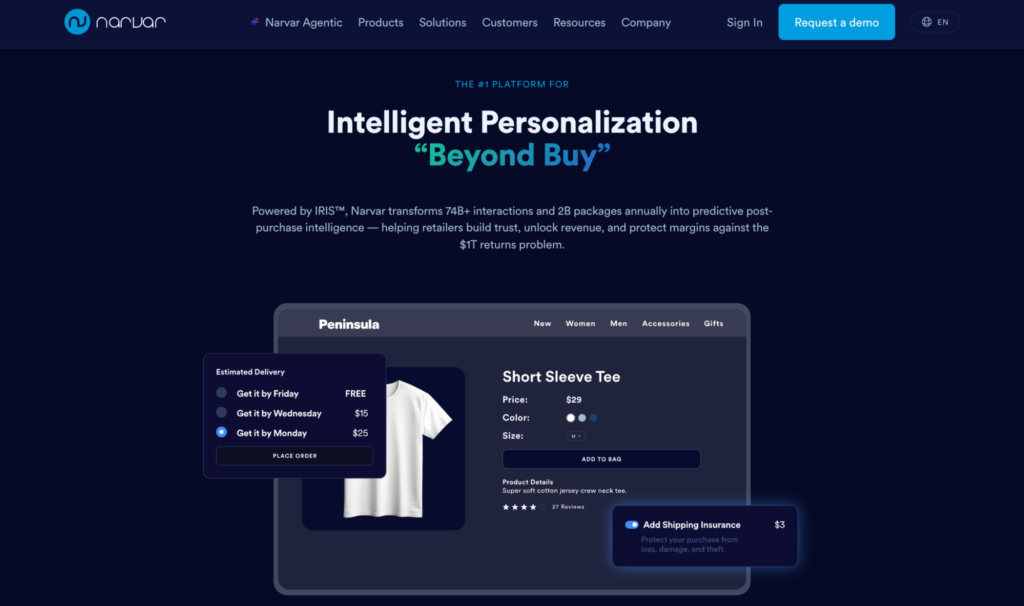
Narvar combines shipment visibility with a broader collection of post-purchase capabilities. Rather than treating delivery data as something that lives in its own corner of the business, the platform connects it with other processes that continue after checkout.
Capabilities include:
- Order and shipment visibility
- Customer communication tools
- Returns management
- Multi-channel notifications
- Enterprise integrations
- Post-purchase workflows
For larger organizations, the attraction often comes from bringing multiple post-purchase functions closer together rather than managing them separately.
5. parcelLab
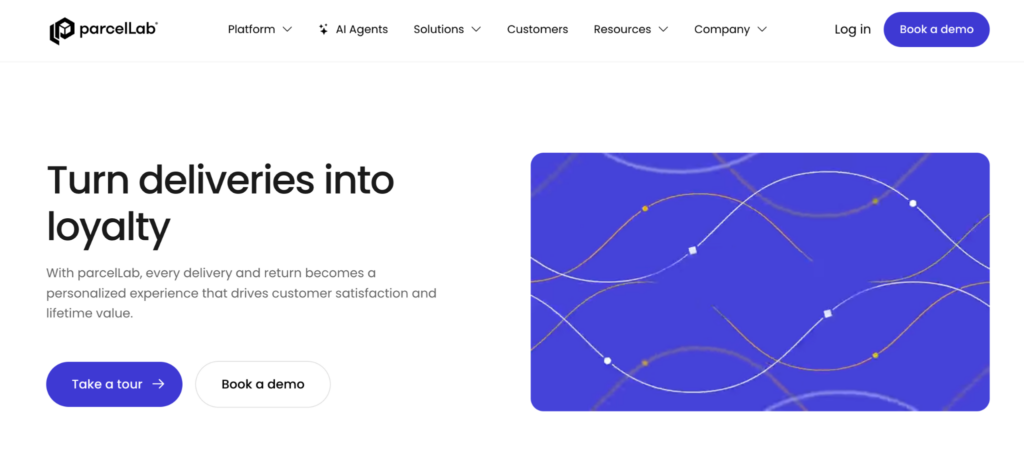
Shipment updates are often treated as operational information. Customers see a package move from one stage to another, receive a notification, and continue waiting for delivery. For some brands, that is enough. Others see those moments as opportunities to communicate more effectively.
parcelLab has built much of its reputation around that second approach. The platform allows retailers to use shipment events, delivery milestones, and carrier activity as triggers for customer communication. Instead of existing purely as logistics data, delivery information becomes part of a broader customer experience strategy.
Retailers commonly use parcelLab for:
- Shipment visibility
- Delivery milestone communication
- Customer engagement workflows
- Personalized delivery experiences
- Multi-channel messaging
- Post-purchase analytics
For brands that place significant emphasis on customer communication after checkout, shipment activity often becomes more useful when it supports those efforts.
6. Wonderment
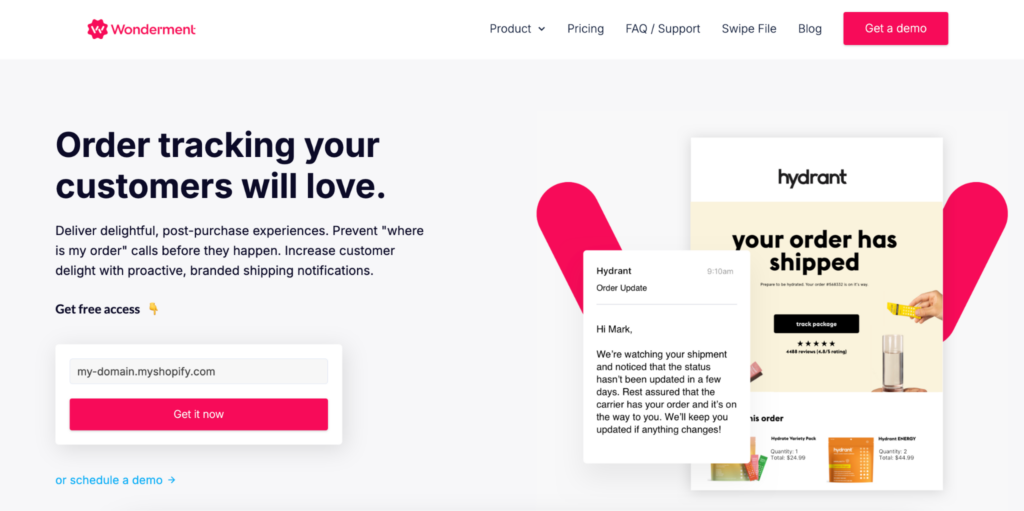
Some e-commerce teams do not need another complicated platform. What they need is a clearer understanding of what is happening with their orders and a system that does not require extensive training to use effectively. More features are not always the answer when the underlying problem is a lack of clarity.
Wonderment has found an audience among retailers looking for exactly that balance. The platform focuses on making shipment information accessible and easy to understand while helping teams stay informed about delivery activity.
That simplicity has been particularly attractive for Shopify merchants and direct-to-consumer brands that want stronger visibility without introducing unnecessary complexity.
Features frequently highlighted include:
- Real-time order visibility
- Delivery notifications
- Customer-friendly tracking experiences
- Shopify integrations
- Shipment status monitoring
- Support ticket reduction
For many businesses, software becomes more valuable when people actually enjoy using it.
7. Track123
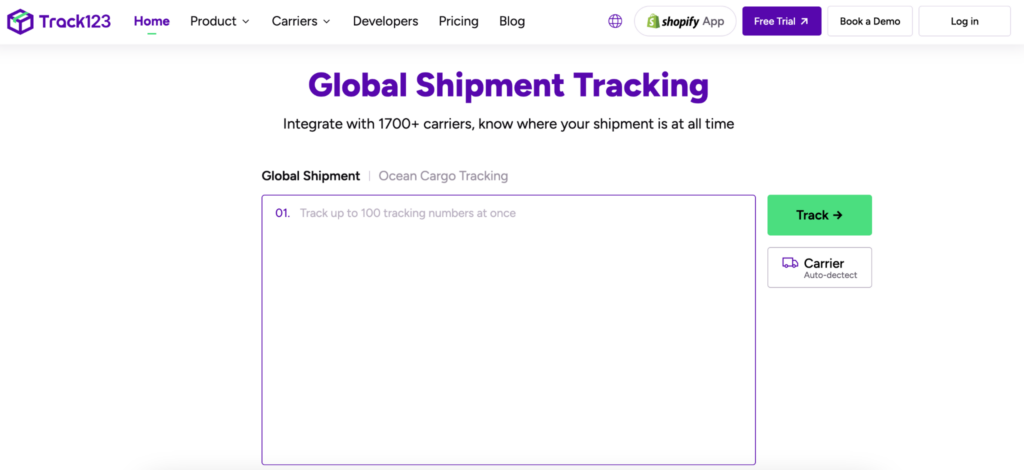
Growth tends to expose weaknesses that were easy to ignore when order volume was lower. A retailer may discover that tracking shipments manually now consumes hours every week. Delivery questions start appearing more frequently. Carrier relationships expand. Processes that once felt manageable begin requiring more structure.
Track123 is often considered by businesses that find themselves in that situation. The platform provides multi-carrier shipment tracking and centralized visibility while keeping adoption relatively straightforward.
That combination makes it appealing to retailers looking for better oversight without taking on a large implementation project.
Capabilities commonly associated with Track123 include:
- Multi-carrier shipment tracking
- Shipment visibility tools
- Delivery notifications
- Customer tracking portals
- E-commerce integrations
- Branded tracking experiences
For growing e-commerce brands, improving visibility is often less about adding complexity and more about removing unnecessary manual work.
What Retailers Usually Discover
Most companies begin searching for shipment tracking software because of a specific problem. Support tickets are increasing. Carrier information feels fragmented. Delivery performance is difficult to measure. Something in the existing process no longer scales comfortably.
Over time, many retailers realize the software solves more than the original issue. Better visibility often helps teams work faster, identify problems sooner, and spend less time hunting for information. The biggest benefit is not always the feature that initially attracted attention.
Why This Category Keeps Growing
Carriers continue improving their own tracking tools, yet shipment tracking platforms remain one of the fastest-growing areas of e-commerce software.
The reason is fairly simple. Retailers are not trying to track one package. They are trying to understand what is happening across an entire delivery operation. As order volume, carrier networks, and customer expectations increase, that task becomes more difficult to manage through carrier systems alone.
The Difference Between Tracking and Understanding
Tracking tells a retailer where a package is. Understanding helps explain whether that package is moving normally, whether similar shipments are experiencing the same issue, and whether somebody should do something about it. Those are very different questions, and they require a different level of visibility.
That distinction explains why shipment tracking software continues to evolve. The strongest platforms are not simply collecting carrier updates. They are helping retailers make sense of what those updates mean and what should happen next.